
What to Expect Before You Schedule It
Mold can show up when you least expect it. A strange odor, persistent allergies, or stains on walls might leave you wondering what’s hiding in the air or behind the drywall. Testing for mold helps confirm if there’s a problem, but many homeowners ask the same question first: how much is home mold testing? The cost depends on the method, the size of the area, and how thorough you want the results to be. Knowing what affects the price helps you decide which option fits your situation.
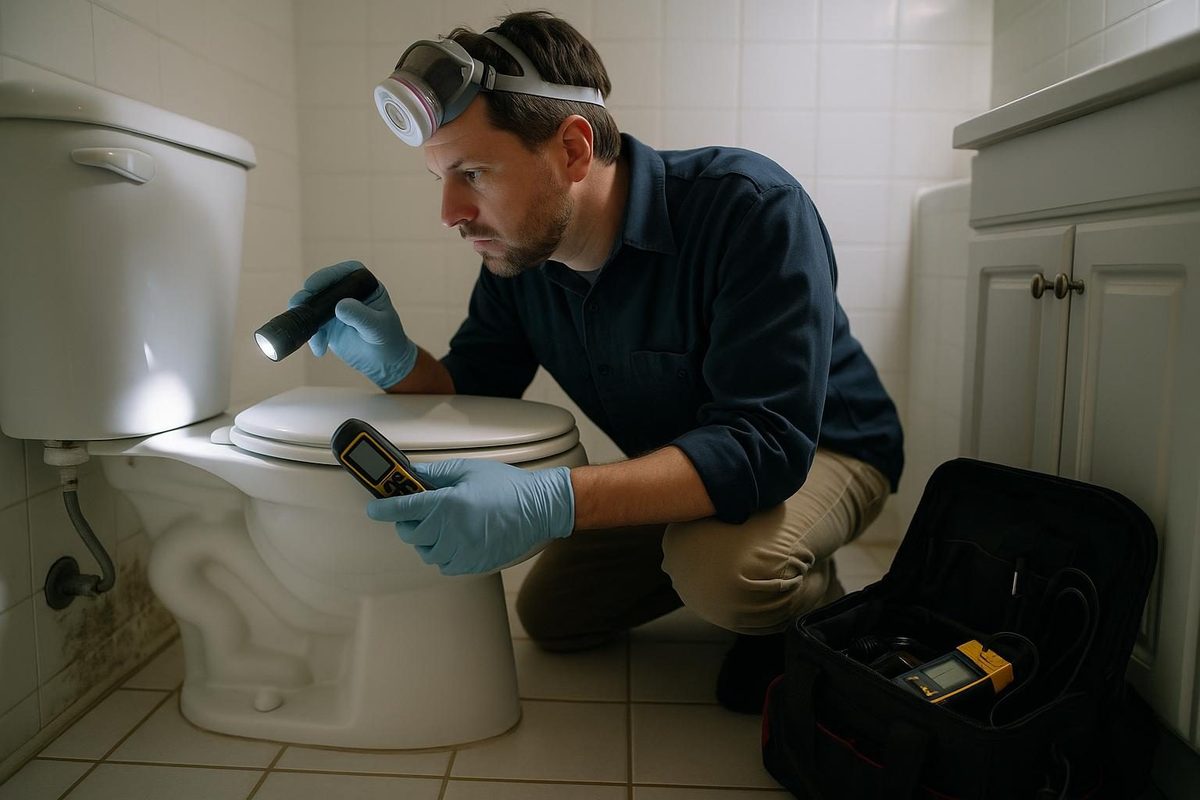
What Does Home Mold Testing Involve?
Mold testing helps confirm the presence of mold, determine the type of mold, and reveal how far it’s spread. Some tests collect air samples. Others involve swabbing surfaces. Lab results may show the concentration of mold spores or identify the mold species if needed.
You can choose between a DIY test kit or hiring a mold inspection company. Either approach can help, but they differ in accuracy, cost, and the level of detail they provide.
How Much Does a Mold Inspection Cost?
The price of a mold inspection can vary based on the method used and the number of areas tested. Most homeowners spend between $300 and $600 for mold testing. The average cost increases with the number of samples collected or if lab analysis is included.
General Cost Breakdown:
DIY test kits: $10 to $100
Basic professional inspection: $300 to $500
Detailed inspections with lab testing: $600 to $1,000+
If you’re wondering how much does an inspection cover in terms of detail, most include air sampling, surface swabs, and a written report. Some inspections also include thermal imaging to detect hidden moisture.
What Factors Affect the Cost?
Several things can affect the cost of mold testing. Homes with multiple floors, crawl spaces, or HVAC systems may need extra time and testing. The type of mold test, location of suspected mold, and urgency of results can also impact the cost.
Common Factors That Affect the Cost:
Number of rooms tested
Type of sample (air, surface, bulk)
Lab processing speed
Size of the home
Access to attics or basements
History of water damage
It will cost more to inspect areas where mold tends to hide, like crawl spaces or inside walls.
When Should You Consider Getting an Inspection?
You don’t always need testing. If you can see mold, or if you already plan to remove it, testing may not add value. However, there are situations where it makes sense.
Good Times to Inspect for Mold:
You notice a strong musty smell but can’t find the source
You need to confirm mold in a home before you buy or sell a home
You want to measure mold exposure after water damage
You need proof of mold for a landlord, tenant, or insurance claim
You had mold removed and want to verify the job was successful
In each of these cases, a professional mold check is crucial for clear, documented results.
DIY vs. Professional Mold Testing
DIY test kits offer a low-cost way to confirm mold presence. They might include petri dishes to grow mold culture or swabs for surface sampling. These kits give basic results but don’t offer lab accuracy or help interpret what the results mean.
DIY Kits:
Lower test costs ($10-$100)
Easy to use
Limited accuracy
No certified lab analysis unless shipped separately
Results may lack context
Professional Testing:
Higher cost but more accurate
Helps identify the mold and assess spread
Includes lab-based identification of mold spores
Conducted by certified mold checkers
Useful for detailed reports and remediation planning
DIY kits are useful for quick checks, but for homes prone to mold or with suspected contamination, it’s safer to hire a professional mold inspector.
What Happens After Testing?
Once testing confirms mold in the home, the next step is often cleanup. In minor cases, you may be able to remove mold from non-porous surfaces using approved cleaners and proper safety gear. If mold is growing behind walls, around HVAC systems, or across large areas, contact a professional mold remediation company.
A thorough inspection often reveals issues contributing to mold growth, such as roof leaks, poor ventilation, or hidden plumbing problems. Testing alone won’t fix the issue-it guides how to address mold safely and fully.
Do You Always Need a Mold Test?
Not always. If you see mold, especially with visible mold growth on walls or ceilings, testing won’t change the fact that you need to remove it. But testing can confirm if the mold is spreading, determine the type of mold, or check if mold is present in other parts of the home.
You might also want to pay for a mold check when:
Mold is found in a rental unit and you need third-party documentation
You’re hiring a mold remediation company and need a baseline
You want to verify removal success after remediation
In these cases, mold testing and inspection give clarity and protect you during follow-up repairs or legal discussions.
Can Testing Help Reduce the Risk of Mold?
Yes. Routine inspections in high-risk homes help reduce the risk of mold growth. If your home is prone to humidity or past flooding, regular checks can alert you early.
Testing also helps if someone in the home has allergies, asthma, or symptoms related to mold exposure. Identifying mold sources and acting quickly helps maintain indoor air quality and avoid health risks.
Should You Hire a Professional Mold Inspection Company?
If you’re dealing with hidden mold, recurring problems, or health concerns, it’s smart to hire a mold checking and testing service. These companies use specialized tools to detect mold in areas you can’t see and identify the mold species with certified lab results.
Hiring a mold remediation company afterward may be necessary if the problem is widespread. These services remove the mold, address the cause, and prevent future outbreaks. Choosing one company that handles both inspection and cleanup often makes the process smoother.
Final Thoughts
Home mold testing costs range from under $100 for basic kits to over $1,000 for full inspections with lab analysis. The right option depends on what you need to know and how serious the mold issue might be. DIY kits are best for early screening, but mold testing companies offer the detail and accuracy needed to solve the problem.
If mold is growing, don’t wait. A small investment in testing can help you avoid larger repairs later. If you’re unsure where to start, consider getting a mold check to make sure you’re making decisions based on clear information and proven results.
FAQs
How much does it cost on average?
The average cost typically ranges between $300 and $600. The final price depends on the size of your home, how many samples are collected, and whether lab testing is included.
When should I get a mold check?
You should get one if you smell something musty, see stains, or suspect mold after water damage. It also helps if someone in the home develops unexplained respiratory symptoms.
What does a mold inspector do during the inspection?
A mold inspector conducts a visual inspection, takes air or surface samples, and may use moisture meters or infrared tools to find hidden mold. They often recommend further action based on the findings.
What factors affect the cost of an inspection?
The cost may vary based on home size in square feet, number of samples taken, type of mold tests used, and the need for expedited lab results.
Can a mold inspection identify the type of mold?
Yes. If mold is present, lab testing of the mold sample can identify the mold type, including toxic mold strains like black mold. This helps determine the risk and next steps for removal.
Does visible mold still require professional inspection?
Visible mold may not require testing if you’re planning immediate mold removal. However, a professional mold inspector can assess the extent of mold growth and check for hidden contamination.
What happens if mold is found during a home inspection?
If mold is found during a home inspection, you may need to hire a professional for mold remediation. The severity of the mold damage will determine the level of work required to remove it.
What’s the difference between a mold problem and normal mold spores?
Mold spores are common in all environments. A mold problem occurs when mold spores grow into colonies due to moisture, poor airflow, or water damage inside the home.
Can mold in your home be prevented?
You can prevent mold by fixing leaks quickly, keeping humidity levels low, using exhaust fans, and ensuring good air circulation in damp areas. Prevention reduces the chances of costly mold remediation later.
Why should I hire a professional mold inspector?
A professional mold inspector has the tools and experience to detect hidden mold, take accurate samples, and guide you through the mold inspection and testing process with reliable results.
