
Hiring a mold home inspector before purchasing a property can save thousands in unexpected repair costs. Fungal contamination hides behind drywall, beneath flooring, and inside HVAC ducts where you will never spot it during a casual walkthrough. A qualified assessor uses thermal imaging cameras, moisture meters, and air sampling devices to locate these hidden problems. One mistake I see repeatedly is buyers relying solely on a general property evaluation and skipping a dedicated assessment for microbial growth.
Why Fungal Contamination Gets Overlooked
Mold spores thrive in dark, damp spaces with poor airflow. Crawl spaces, basements, and attic cavities rank among the most common trouble spots. The problem with microbial growth is that it can spread for months without producing any visible sign. You might notice a musty smell or experience unexplained respiratory symptoms long before you see discoloration on a wall.
Left unchecked, fungal damage weakens structural framing. It aggravates asthma, triggers allergies, and poses genuine health risks for vulnerable residents. The American Lung Association warns that prolonged exposure to airborne particulates contributes to chronic respiratory conditions. That is why the United States Environmental Protection Agency (EPA) recommends addressing moisture intrusion and contamination promptly.
What a Residential Fungal Assessor Actually Does
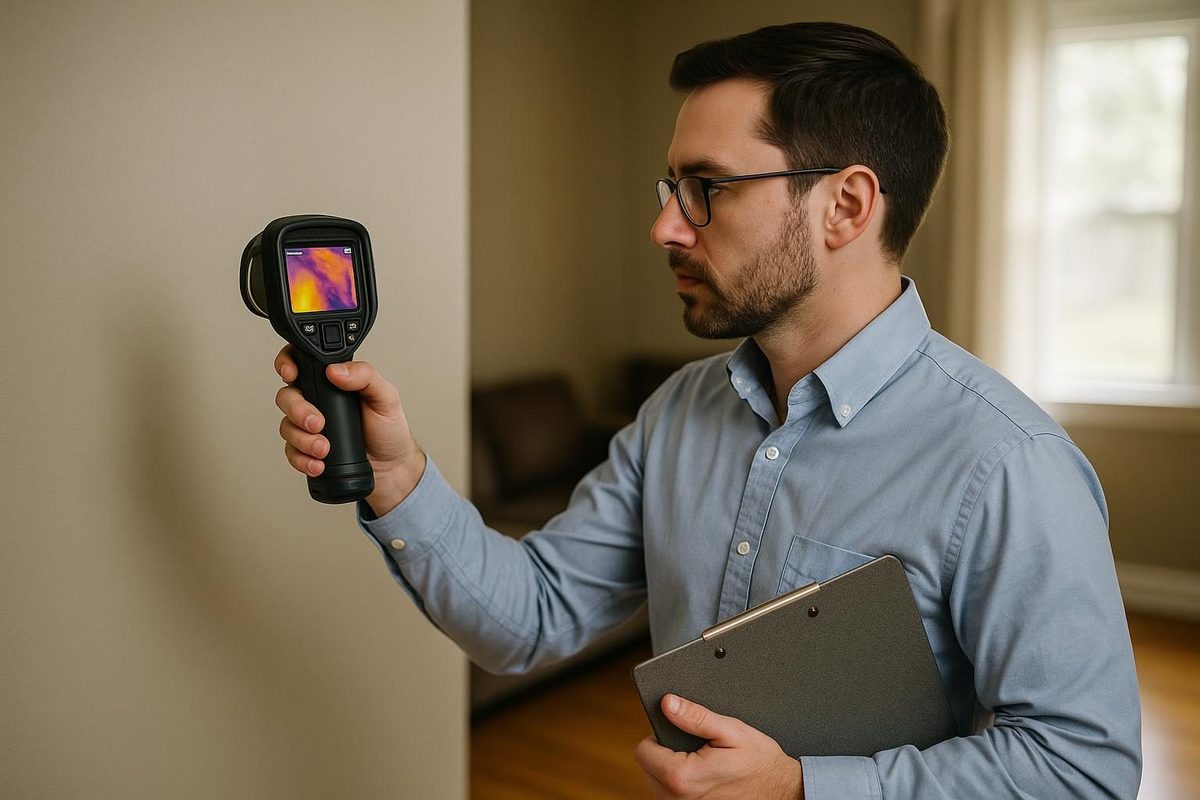
A certified mold inspector goes far beyond checking for stains on ceilings. The inspection process involves systematic evaluation of moisture levels, air quality, and surface conditions throughout the property. Professionals use infrared thermography to detect temperature anomalies behind walls that indicate trapped water. A calibrated hygrometer pinpoints wet zones that a walkthrough alone would miss.
Areas That Get the Closest Scrutiny
- Bathrooms and kitchens with inadequate exhaust fans
- Basements and crawl spaces with a history of flooding
- HVAC ducts, registers, and return grilles
- Under sinks and behind water-using appliances
- Attics with blocked soffit openings or evidence of roof leaks
- Plumbing chase walls where slow leaks go unnoticed
After the visual check, the examiner may collect air samples and surface swabs. These go to an accredited lab for analysis, which identifies the exact species present and whether airborne concentrations exceed normal outdoor baseline levels.
When to Schedule a Professional Inspection
The best time to bring in a specialist is before you sign a purchase agreement. Still, several other situations call for a thorough assessment.
Before Buying a Property
During any real estate transaction, visible stains, damp smells, or humidity readings above 60% should trigger a dedicated inspection. A general home inspection checks structural and mechanical systems but rarely includes air collection or surface testing. Buyers in high-humidity climates or properties with prior water damage face elevated risk. Getting a proper assessment protects your mortgage investment from costly surprises.
Before Listing a Residence for Sale
Sellers who suspect contamination should schedule testing before listing. Evidence of fungal growth discovered during a buyer’s due diligence can derail negotiations, lower offers, or kill the deal entirely. A clean report builds confidence and speeds up closing.
After Water Damage or Flooding
Burst pipes, roof leaks, and storm floods create ideal conditions for rapid microbial colonization. If water sat for more than 48 hours, mold growth is virtually guaranteed. Have a certified professional assess every affected area, including wall cavities and subfloor spaces that may trap moisture beneath the structure.
During Renovation Projects
Opening walls, ceilings, or floors during remodeling often reveals hidden contamination. Addressing it mid-project is far cheaper than discovering it after new finishes are installed. Any renovation in a building over 20 years old warrants at least a visual check of exposed cavities.
How the Assessment Process Works Step by Step
A thorough evaluation typically follows a structured sequence. The specialist begins with a walkthrough, documenting moisture stains, discoloration, and musty odors throughout every room. Next comes instrument-based scanning. Infrared cameras reveal cold spots behind drywall that indicate trapped humidity. A moisture meter confirms elevated readings in suspect zones.
If contamination is suspected, the assessor collects specimens. Air collection captures airborne particle counts, while tape lifts and swab tests identify surface colonies. Labs typically return results within three to five business days. You receive an inspection report that details the species found, concentration levels, likely moisture source, and recommended next steps.
An outdoor sample is often collected for comparison. Indoor counts that significantly exceed outdoor levels confirm an active problem.
Do You Always Need Lab Testing?
Lab analysis is not mandatory for every situation, but mold testing provides confirmation when visible signs are absent. If you smell something musty yet see nothing, lab results can confirm whether airborne levels are elevated. Testing also creates documentation useful for insurance claims, legal disputes, and real estate negotiations.
Professional assessors typically recommend lab work when:
- You detect an odor but cannot locate the source
- Occupants report allergy symptoms or respiratory irritation
- You need formal evidence for insurance or litigation
- Large areas of a property have been exposed to water
Consumer-grade test kits let you test for mold on your own, but most environmental consultants advise caution. DIY kits often lack proper chain-of-custody protocols and may produce unreliable results.
Why Remediation and Assessment Stay Separate
Reputable assessors do not offer environmental remediation services. That separation exists for good reason. A professional who profits from cleanup has a financial incentive to exaggerate findings. Independent evaluators provide unbiased reports. If they detect contamination, they refer you to a licensed remediation company that handles removal of affected drywall, treatment of porous surfaces, and containment of spore spread.
The thing most guides will not tell you is that some less scrupulous operators deliberately bundle both services. Always verify that your assessor does not also run a cleanup crew.
Choosing a Qualified Specialist
Credentials matter. Not every property evaluator has the training or equipment to properly assess fungal contamination.
Verify Certification
Look for credentials from InterNACHI (the International Association of Certified Home Inspectors), IAC2 (the Indoor Air Quality Association’s certification arm), or the International Association of Certified Indoor Air Consultants. These organizations maintain rigorous standards for training, testing procedures, and professional conduct.
Ask What the Evaluation Covers
A thorough mold inspection should include a visual walkthrough, instrument scanning, air collection, surface testing, third-party lab analysis, and a written report with actionable recommendations. If a provider skips any of these steps, that is a red flag.
Confirm Independence
As noted above, avoid anyone who also offers cleanup. Ask directly. An honest professional will welcome the question.
Check Familiarity With Local Health Regulations
Some jurisdictions require reporting elevated contamination levels to the local health department. Specialists familiar with regional guidelines can advise whether your situation triggers any reporting obligations.
What Does a Fungal Assessment Cost?
Expect to pay between $300 and $600 for a standard residential evaluation. The total cost depends on property size, the number of samples collected, and whether extensive lab analysis is needed. Larger residences or properties with multiple suspect zones may run higher.
Compared to the cost of structural repairs from undetected water damage, this expense is minimal. Catching contamination before purchase gives you leverage to negotiate seller credits or walk away entirely.
What Happens After the Report
Your next step depends on the findings. Small surface patches (under 10 square feet, per EPA guidelines) may be addressable with DIY cleaning using proper personal protective equipment, including a respirator rated for particulate filtration. Larger infestations or toxic species like Stachybotrys (commonly called black mold) require professional mold remediation.
Regardless of severity, fix the underlying moisture source first. A leaking pipe, poor drainage grade, inadequate bathroom exhaust, or a compromised duct system will bring the problem right back if left unaddressed.
Prevent future growth by running dehumidifiers in damp areas, ensuring proper airflow in bathrooms and kitchens, repairing leaks immediately, and inspecting crawl spaces and basements seasonally for water intrusion. These habits protect indoor air quality and keep contamination from recurring.
FAQs About Hiring a Fungal Assessment Professional
What is the difference between a general property evaluation and a dedicated fungal assessment?
A general evaluation covers structural systems, electrical, plumbing, roofing, and overall property condition. A dedicated fungal assessment focuses exclusively on detecting microbial contamination, identifying moisture sources, and measuring air and surface quality using specialized lab analysis. Standard evaluators check for visible issues only, while certified specialists use instruments and sampling to find hidden problems.
How do specialists detect contamination without opening walls?
Certified professionals use infrared thermography cameras, calibrated moisture meters, and air sampling equipment to identify signs of hidden moisture and elevated spore levels inside wall cavities, ceilings, and floors. These tools pinpoint problems without requiring any destructive access to the structure.
Is an assessment worthwhile even when no visible contamination exists?
Yes. Airborne colonies often produce symptoms like musty odors, unexplained allergies, and respiratory irritation long before any visible sign appears. A professional assessment using air collection can confirm or rule out elevated levels, giving you clear data to act on before the situation worsens.
Will a mold inspection affect my mortgage approval?
Lenders sometimes require a clear inspection report before finalizing a mortgage, especially if the appraiser notes water damage or suspected mold within the property. Getting a mold inspection early gives you time to negotiate repairs or credits with the seller before closing.
