
Moldy homes are easier to overlook than most people think, at least until the damage becomes impossible to ignore. A damp smell, peeling paint, or sudden allergy flare-ups often signal something lurking behind walls. Fungal contamination thrives wherever moisture lingers, spreading quietly through ceilings, vents, and hidden cavities. Left untreated, it degrades surfaces, tanks your indoor air quality, and leads to repair bills that climb fast. Spotting the early warning signs and acting quickly protects both your property and the people living inside it.
How Homes Become Contaminated
Mold is a type of fungus that feeds on organic material in damp, dark, warm spaces. It takes hold when moisture sits too long, especially in rooms with poor airflow. Mold spores float through every building constantly, but they only colonize surfaces where conditions allow it.
Common Causes of Contamination
- Plumbing leaks and roof damage
- Flooded basements or crawl spaces
- Poor ventilation in bathrooms and kitchens
- High humidity levels inside the structure
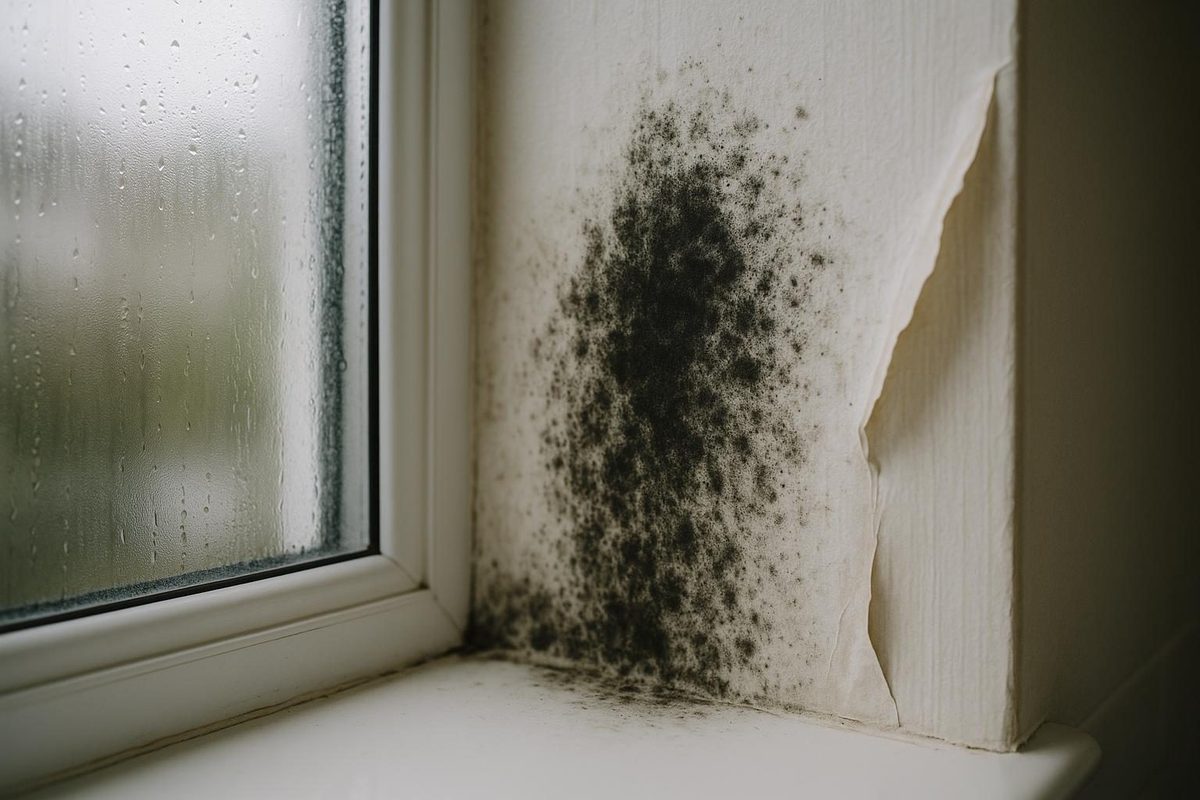
- Condensation around unsealed windows
Once a colony establishes itself, it releases spores into the air and spreads to adjacent surfaces rapidly. According to the United States Environmental Protection Agency (EPA), controlling moisture is the single most effective way to prevent mold in your home.
Health Risks of Mold Exposure
Exposure to indoor mold spores can trigger respiratory issues, headaches, and skin irritation, particularly in children, seniors, and people with compromised immune systems. Mold may cause health problems even at low concentrations, especially for those with existing asthma or allergies.
Health Effects to Watch For
- Itchy eyes, persistent coughing, or sneezing indoors
- Sinus infections that refuse to clear up
- Worsening asthma or new allergic rhinitis symptoms
- Fatigue, brain fog, or chronic lung irritation
People regularly exposed to mold face greater risk for long-term health problems. One mistake I see repeatedly is homeowners dismissing symptoms of mold exposure as seasonal allergies when the real source sits behind their own walls. If symptoms improve every time you leave the house, that pattern alone justifies an inspection.
Where Mold Growth Hides Inside a House
Mold growing in your home typically starts in areas you don’t check often, which makes early detection tricky. Drywall, wood framing, and insulation provide ideal food sources. Indoor mold spreads across these materials quickly when moisture stays present.
High-Risk Areas
- Bathrooms and kitchens (constant water use)
- Around HVAC systems and air ducts
- Attics with poor ventilation
- Basements and crawl spaces with past water damage
- Behind washing machines or under sinks
Contamination can also develop inside insulation, under wallpaper, or on windowsills. When growth occurs near vents, spores travel through ductwork and spread to rooms that were previously clean. Getting ducts in your home cleaned helps prevent mold from growing in distant rooms.
Signs Your Home Has a Problem
You don’t need a lab to spot trouble. If contamination is present, there are usually visible or olfactory clues before the situation becomes severe.
Warning Signs
- Musty or earthy odor that won’t go away
- Discoloration on ceilings, walls, or tile grout
- Peeling paint or bubbling drywall
- Frequent headaches or coughing that stops outdoors
- Visible dark patches, streaks, or fuzzy textures on surfaces
Different species look different. Stachybotrys chartarum (often called black mold) appears greenish-black and slimy. Aspergillus and Penicillium species may look powdery or white. You don’t need to know the type of mold before cleaning, but professional testing confirms the species and guides the mold remediation approach.
How to Deal With a Contaminated Area
Act fast. Small patches on non-porous surfaces (glass, tile, metal) can be scrubbed with fungicide cleaners designed for indoor use. Wear gloves and an N95 respirator, and dry the area completely afterward.
If the affected zone exceeds 10 square feet, or if the problem keeps returning, bring in a professional remediation company. Proper mold remediation in schools, homes, and commercial buildings requires containment barriers, HEPA filtration, and post-treatment lab verification to confirm the space is safe.
When Professional Help Is Needed
- The contamination returns after you’ve cleaned it
- You can’t locate the moisture source
- Someone in the household shows symptoms of exposure
- You plan to sell or rent the property
A certified inspector can sample the air, identify what’s growing, and handle mold removal safely using industry-standard tools. This reduces the chance of recurrence significantly. The thing most guides won’t tell you is that cleanup without fixing the water source guarantees the problem comes back within weeks.
How to Prevent Mold Growth Before It Starts
Mold prevention comes down to moisture control. Spores need sustained dampness to colonize a surface. Keep things dry and you starve them out.
Practical Prevention Steps
- Fix leaks in roofs, pipes, and foundations immediately
- Run exhaust fans in bathrooms and kitchens during and after water use
- Maintain indoor humidity below 50 percent (a dehumidifier helps in basements)
- Seal windows, vents, and caulk gaps properly
- Dry wet carpet, clothing, or furniture within 24 hours
- Check for condensation near windows regularly
These steps protect against structural damage and reduce the cost of future repairs. After doing this for over a decade, I can tell you that the homeowners who stay ahead of moisture issues spend a fraction of what reactive homeowners pay.
What Sampling and Testing Involves
Testing helps when you suspect hidden mold or want to verify a cleanup was thorough. Sampling for mold includes air tests, surface swabs, and laboratory analysis. It determines mold levels and identifies the species, which matters especially when dealing with toxin-producing varieties like Stachybotrys.
Home improvement stores sell basic test kits, but certified professionals offer far better accuracy and actionable results. Outdoor spore levels are high during warm, humid months. Spores enter through open windows and doors, then settle indoors wherever moisture is present.
Why Cleanup Matters for Your Property’s Value
Ignoring a mold problem doesn’t just hurt your health. It can damage your property’s structural integrity and tank resale value. Fungus breaks down wood, insulation, and drywall over time. Left unchecked, it spreads into framing and subflooring, turning a small fix into a five-figure renovation.
Visible damage or a documented history of contamination can lower property value, stall sales, and trigger expensive negotiations during inspections. To get rid of all mold, you need to dry the affected zone, repair the moisture source, and kill the organism at its root. A professional removal service will contain the spores from entering other rooms during the process, reducing cross-contamination risk.
Protecting Your Home Long Term
Mold in homes poses genuine health and safety risks. It spreads fast, hides well, and becomes expensive when people ignore it. Early action reduces both the health toll and the financial damage. Learn the signs, treat small issues immediately, and bring in professionals for anything beyond a minor surface patch.
If you suspect contamination growing inside your walls, don’t wait for it to resolve on its own. Moisture feeds the cycle, and the problem will most likely escalate. Stay ahead of it by keeping your space dry, well-ventilated, and inspected regularly. Moldy homes don’t fix themselves.
Frequently Asked Questions
What does a brief guide to indoor fungal problems cover?
A brief guide typically explains where contamination develops, what causes it, how spores spread, and the steps needed to prevent or clean it up. It’s useful for homeowners who want to catch small issues before they become major repairs.
What’s the best approach for cleanup?
Start by drying the area and stopping the moisture source. Hard surfaces can be scrubbed with appropriate cleaning solutions. Porous materials like drywall or carpet may need full replacement if they’re saturated or heavily colonized.
How do I get rid of fungal growth safely?
Wear gloves and a respirator, use products specifically designed to kill fungus, and seal off the area to avoid spreading spores to other rooms. Anything larger than 10 square feet should be left to certified professionals.
Can contamination also cause structural damage?
Yes. Fungal organisms break down wood, drywall, and insulation over time. Unchecked growth weakens structural components and can lead to costly repairs that far exceed the price of early intervention.
Is testing necessary before removal?
Not always. Visible contamination can be addressed without lab analysis. However, testing confirms hidden growth, identifies the species, and verifies spore levels when you can’t pinpoint the source visually.
What health issues are related to fungal exposure?
Allergic reactions, skin irritation, chronic coughing, and asthma attacks are the most common. People with immunodeficiency conditions may experience more severe respiratory infections or lung inflammation from prolonged exposure.
Can this type of damage lower my home’s value?
Absolutely. Visible contamination or a history of fungal problems can reduce offers, delay closings, and trigger expensive repair demands from buyers. Addressing issues quickly protects your investment.
What if respiratory symptoms appear after exposure?
If coughing, congestion, or shortness of breath improve when you’re away from the building, consult a doctor and schedule a professional air quality assessment. The pattern of symptom relief outdoors is a strong diagnostic clue.
