
A mildew test is the fastest way to confirm whether pale spots on your grout or drywall are surface fungus or something worse. Most homeowners wait until the musty odor fills an entire room. By then, mold spores have spread to adjacent surfaces and cleanup costs climb fast. A quick screening at the first sign of discoloration gives you a clear answer.
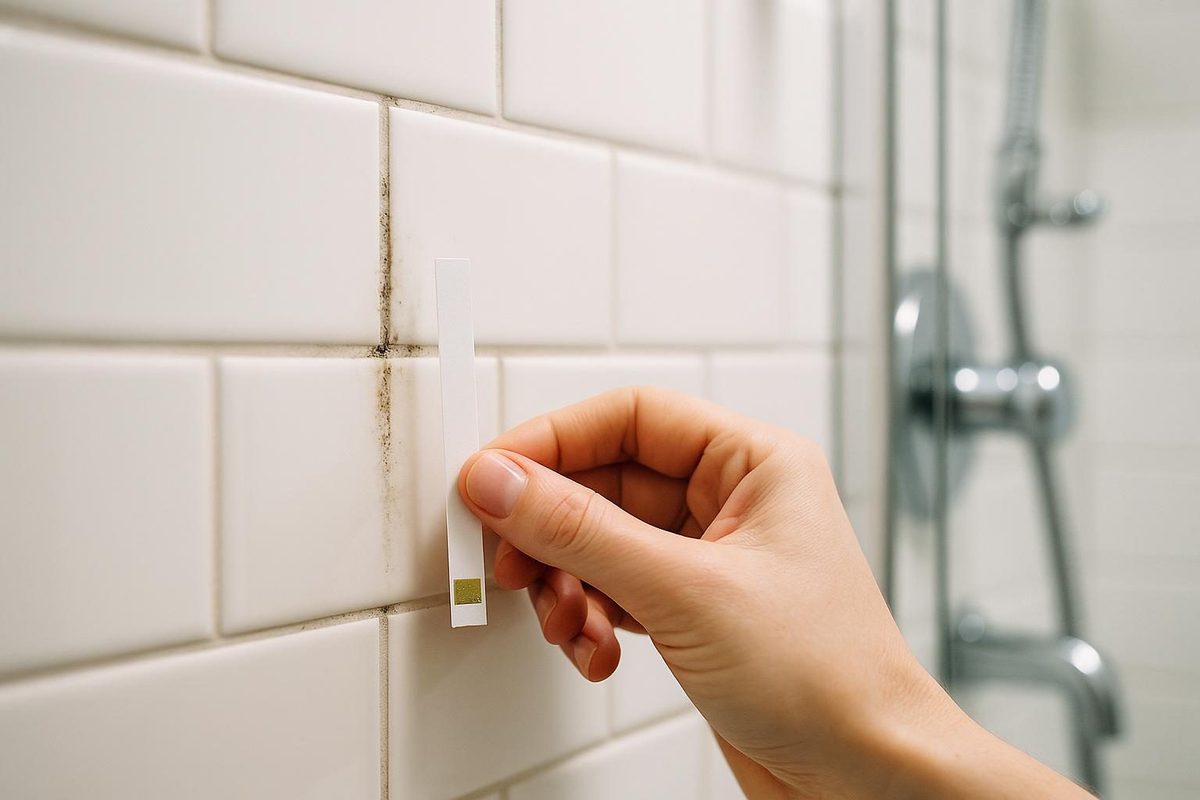
What Is Mildew?
Mildew is a surface-level fungus that appears white, gray, or yellowish-brown and feels powdery to the touch. It colonizes warm, damp areas like bathroom tile and window sills. Unlike deeper contamination that burrows into building materials such as drywall and lumber, this growth stays on top and wipes off with household cleaners.
That distinction matters. Deeper infestations compromise structural integrity and release mycotoxins, toxic compounds linked to respiratory illness. According to the U.S. Environmental Protection Agency, any indoor fungal presence above background levels deserves attention.
Signs You Need a Mildew Test
Visible patches are the obvious trigger, but subtler clues often come first.
- A persistent musty odor that lingers after cleaning
- Wall stains that reappear within days of scrubbing
- Peeling paint or warped trim around windows
- Allergy symptoms that worsen indoors
One mistake I see repeatedly: homeowners assume the problem is gone because the surface looks clean. Spores travel through air ducts and settle behind cabinetry. If symptoms persist, run an indoor air quality screening rather than another wipe-down.
DIY Home Kits vs. Professional Inspection
Using a Home Mold Test Kit
A DIY mold test kit for home use typically includes petri dishes or swab strips that collect samples from surfaces or air. The Healthful Home 5-Minute kit gives a color-change result on the spot. The Armor Do It Yourself kit lets you send samples to a laboratory for species identification.
Test kits range from $10 to $45. Where they fall short is coverage: one dish captures what floats past during a 30-minute window. That snapshot may miss potential mold in adjacent rooms. Curious whether detection kits deliver reliable results? We break that down separately.
Hiring a Certified Inspector
A professional inspector uses air sampling pumps, moisture meters, and infrared cameras to locate hidden contamination. They collect multiple samples, send everything to an accredited lab, and deliver a report identifying each type of mold present.
Professional mold testing typically costs $300 to $600. That makes sense when the affected area exceeds 10 square feet or occupants report respiratory symptoms. The thing most guides won’t tell you: inspectors also check relative humidity room by room, which reveals the moisture source driving the problem.
Step-by-Step: Running a Screening Kit
- Pick the room with the strongest odor or visible discoloration.
- Open the kit and expose the collection surface per the directions.
- For air sampling, place the dish on a stable surface for 30 to 60 minutes.
- Seal the sample and either wait for the indicator or mail it to the lab.
- Compare results against the reference chart (5 to 7 business days for lab reports).
Pro tip: run a second dish in an unaffected room as a control. Comparing the two tells you if spore counts are elevated locally or consistent throughout the house.
Reading Your Results
Outcomes fall into three categories: no mold growth detected, normal background levels, or elevated presence. Elevated findings signal active contamination somewhere in the structure. Key factors in any lab report:
- Species identified (Aspergillus, Penicillium, Stachybotrys, Cladosporium)
- Concentration relative to outdoor control
- Whether identified strains carry health risks at detected levels
If findings confirm contamination over 10 square feet, the EPA recommends professional remediation rather than a DIY cleanup.
Preventing Future Growth
- Fix leaks and roof drips within 48 hours.
- Keep indoor humidity between 30% and 50% with a dehumidifier.
- Run exhaust fans during showers and cooking.
- Replace HVAC air filters every 60 to 90 days.
- Inspect crawl spaces yearly for discoloration or musty odors.
After doing this for over a decade, the single most overlooked factor is bathroom ventilation. Homes with undersized exhaust fans see recurring surface contamination far more often.
Frequently Asked Questions
How do you test for mold at home?
Grab a swab or petri dish kit from a hardware store. Collect a sample, follow the directions, and compare results to the reference guide. For air concerns, use an open-dish method or hire an inspector.
What is the difference between mildew and mold?
Mildew sits on surfaces and looks powdery. Deeper fungal infestations penetrate building materials, appear fuzzy, and are harder to remove. Both release spores into indoor air, but structural infestations carry greater risks.
Do detection kits actually work?
They confirm spore presence, which is useful as a first step. A single dish cannot reveal the full extent of contamination. For comprehensive answers and next steps, pair a kit with professional assessment.
A mildew test is a low-cost first step that separates harmless stains from genuine contamination. Whether you grab a $15 kit or hire a certified inspector, acting early protects your property and your family’s respiratory health.
