
A yellow mold house problem often starts quietly, triggered by a slow leak, a forgotten spill, or a spike in indoor humidity. This fungal growth hides in basements, behind drywall, and under bathroom tiles where most people never look. Spores spread fast once conditions favor them: warmth, dampness, and poor ventilation. Many homeowners don’t realize the contamination exists until stains appear, a musty odor lingers, or respiratory symptoms refuse to clear up. Knowing the causes and warning signs helps protect both the structure and everyone living inside.
What Is Yellow Mold?
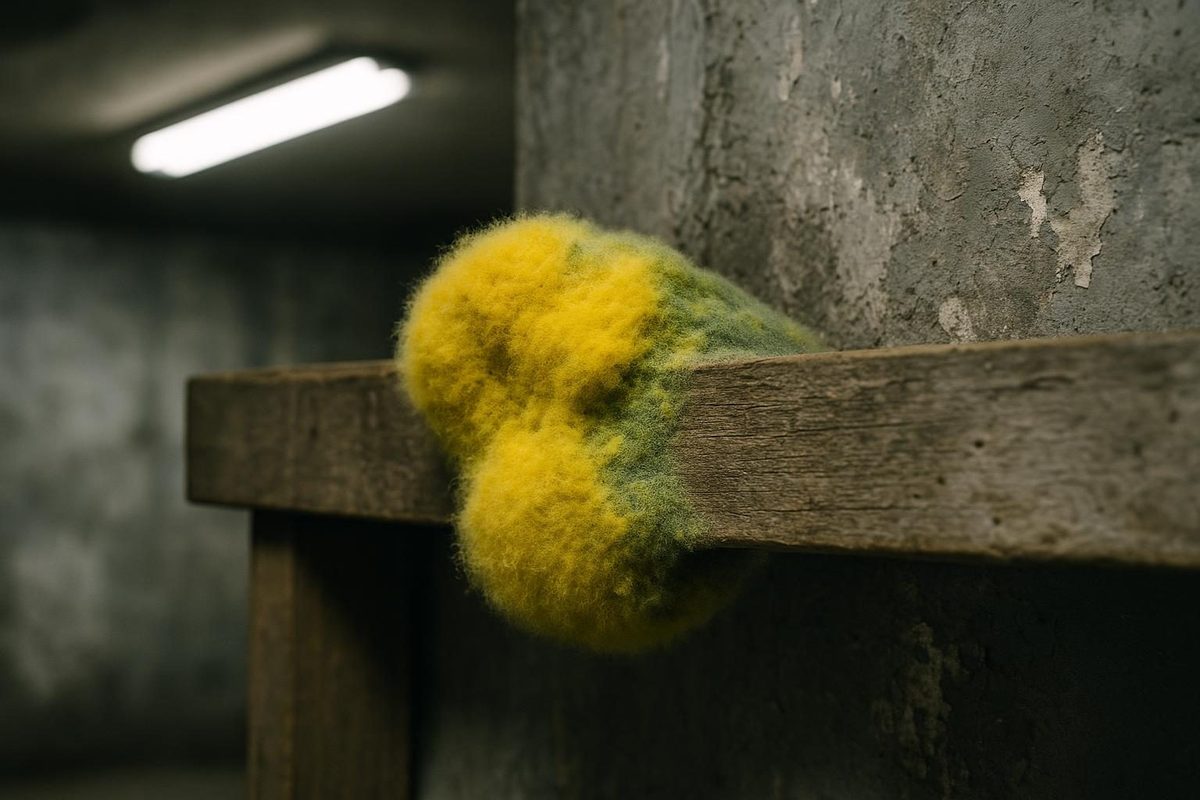
Yellow mold is a catch-all label for several types of mold that share a golden-colored appearance. Some look powdery and dry. Others feel slimy or gelatinous. Slime mold, for instance, thrives in areas with stagnant air and persistent moisture. This type of fungus typically colonizes surfaces affected by water damage, especially where leaks or condensation go unaddressed for weeks.
Among the species commonly found indoors are Aspergillus (a genus linked to respiratory disease and, in severe cases, aspergillosis), Serpula lacrymans, and Mucor. Some strains of Aspergillus flavus can produce aflatoxin, a mycotoxin that poses serious health risks with prolonged exposure. These organisms thrive in bathrooms, kitchens, basements, and crawl spaces where warmth and dampness persist. Mold spores travel through indoor air, settle on new surfaces, and restart the growth cycle within days.
Where Yellow Mold May Appear in Your Home
Mold growth favors humid, dark spaces. When ventilation is weak and moisture accumulates, colonies establish themselves fast. Below are the most common locations where household mold takes hold.
Bathrooms
Leaks under sinks, around tubs, or behind toilets create ideal conditions for mold in your home. Condensation paired with a lack of airflow leads to fungal colonies growing in corners and along grout lines. Poor exhaust fan placement makes the problem worse.
Kitchens
Steam from cooking and minor spills produce moisture buildup on cabinets and countertops. Dark, warm storage areas under sinks are especially vulnerable. One mistake I see repeatedly: homeowners ignore a slow drip under the dishwasher for months, then discover mold may be spreading across an entire cabinet floor.
Attics and Crawl Spaces
These areas go unchecked for long stretches. Roof leaks, blocked soffit vents, and poor insulation trap warm, moist air against sheathing and joists. Yellow mold usually appears on fiberglass insulation or the underside of roof decking. A crawl space with standing moisture is one of the riskiest spots in any property.
HVAC Systems and Ductwork
Contamination inside ducts often gets missed during routine inspections. Spores circulate through the heating, ventilation, and air conditioning system, settling in different rooms and spreading faster than surface colonies alone. If your vents carry a stale odor, that’s a red flag. Changing filters regularly and scheduling duct cleaning helps limit exposure.
Basements
Damp basements are prime territory for yellow mold growth. Fungal patches often appear behind stored boxes, on wooden beams, or along floor edges after a basement flood or persistent water seepage through foundation walls.
How to Identify Yellow Mold
Identification starts with color and texture. Golden-colored patches that feel powdery, fuzzy, or slimy usually point to a mold problem rather than simple staining. The thing most guides won’t tell you: pollen deposits on windowsills and near HVAC returns can look almost identical to early-stage yellow mold spores. Pollen wipes away cleanly with a damp cloth. Fungal colonies resist wiping and leave a stain or residue behind.
Other signs worth checking:
- A persistent musty or damp smell that lingers even after cleaning
- Warping paint, bubbling wallpaper, or discolored patches on walls
- Sudden allergic reactions (sneezing, rhinorrhea, itchy eyes) among residents
- Condensation on windows and cold-water pipes
- Crumbling drywall or warped floorboards near plumbing fixtures
If bright patches grow back after scrubbing, you’re likely dealing with an active mold infestation, not surface grime. Signs of growth like this indicate the colony has established root structures. A home testing kit can confirm the presence of spores, though professional lab analysis gives more reliable species identification.
Health Risks of Exposure
Exposure to yellow mold can trigger a range of symptoms, especially in people with asthma, allergies, or a weakened immune system. Common reactions include coughing, nasal congestion, dermatitis, and watery eyes. In severe cases, mold exposure can vary from mild irritation to serious respiratory disease, chronic sinus infections, or conditions like mucormycosis in immunodeficient individuals.
The severity depends on the individual, the mold type involved, and the extent of the infestation. Children, seniors, and anyone with an existing lung condition face the highest risk. According to the EPA, indoor air quality problems linked to fungal contamination affect roughly 1 in 5 properties in regions with high humidity.
Is yellow mold dangerous? Yes. Even people without pre-existing conditions may develop irritation of the eyes, skin, and respiratory system after weeks of contact with airborne spores. If symptoms like chronic coughing or shortness of breath coincide with visible fungal patches at home, see a doctor and address the source simultaneously.
What Causes This Growth in a House
Fungal infestations don’t appear by accident. Three factors drive nearly every case: excess moisture, insufficient airflow, and organic material to feed on (wood, paper, carpet, drywall).
Moisture Problems
Leaks from roofs, appliances, or pipes rank as the top trigger. Even a small drip left unrepaired for a few weeks can produce visible contamination on walls or beneath flooring. Water damage from storms or plumbing failures accelerates the timeline dramatically.
Poor Ventilation
Bathrooms, kitchens, and laundry rooms without proper exhaust systems trap warm, humid air. This creates a climate that fungal organisms exploit quickly. Running an exhaust fan during and 20 minutes after every shower makes a measurable difference.
High Humidity Without Climate Control
Properties without air conditioning or a dehumidifier are more susceptible. Indoor humidity above 60% is an open invitation. A dehumidifier, the appliance designed to pull excess moisture from the air, should keep levels between 30% and 50% year-round.
Dangers of Yellow Mold in the Home
This contamination can weaken wood framing, deteriorate drywall, and degrade indoor air quality over time. The spread of spores behind walls leads to structural damage: rotted floor joists, compromised insulation, and baseboards that crumble when touched. Repair costs climb into the thousands once an infestation reaches hidden areas.
Some species produce mycotoxins, toxic compounds that accumulate in enclosed spaces. Long-term exposure to these toxins increases the risk of neurological symptoms, chronic fatigue, and respiratory illness, even when the colonies aren’t directly visible. A persistent unusual odor is often the first clue that hidden contamination exists behind finished surfaces.
How to Remove Yellow Mold Safely
Dealing with yellow mold requires proper precautions. Wear gloves, safety goggles, and an N95 respirator (or a HEPA-filtered mask) before touching affected areas. HEPA, the high-efficiency particulate air filtration standard, captures 99.97% of particles down to 0.3 microns, including airborne spores. Seal off the workspace with plastic sheeting to contain dispersal.
For small spots under 10 square feet, you can attempt yellow mold removal with undiluted white vinegar or a 3% hydrogen peroxide solution. Spray the surface, let it sit for 10 minutes, then scrub with a stiff brush. Avoid bleach on porous materials like wood or drywall; it kills surface organisms but doesn’t penetrate deep enough to stop regrowth.
When to Call a Professional Remediation Service
Contact a professional mold remediation company if:
- Affected areas exceed 10 square feet or span multiple rooms
- Colonies return after thorough cleaning
- The contamination involves HVAC ducts or wall insulation
- Someone in the household has health symptoms tied to spore exposure
- You can’t determine the type of mold or locate the moisture source
A removal service assesses the scope, contains the workspace, strips contaminated materials safely, and uses air scrubbers to filter residual spores. Wondering about what remediation typically costs? Prices vary based on square footage and severity, but early intervention almost always costs less than waiting.
How to Prevent Fungal Growth at Home
Prevention beats remediation every time. Consistent maintenance keeps spore counts low and denies colonies the conditions they need.
Practical Prevention Steps
- Repair plumbing and roof leaks as soon as you spot them
- Vent bathrooms, kitchens, and laundry rooms with exhaust fans ducted to the exterior
- Use a dehumidifier to hold indoor humidity between 30% and 50%
- Keep surfaces dry and clean up spills immediately
- Avoid carpeting in damp areas like basements and laundry rooms
- Inspect drainage around the foundation and redirect downspouts away from walls
- Run an air purifier with a HEPA filter in rooms prone to dampness
After doing this work for over a decade, I can say the single biggest factor is speed. Fixing a leak within 24 hours prevents mold growth in about 90% of cases. Wait a week, and you’re likely booking a remediation appointment.
Frequently Asked Questions
Is yellow mold dangerous?
Yes. Some species produce mycotoxins and aflatoxin that cause respiratory illness, allergic reactions, and skin irritation. People with asthma or compromised immune systems face the greatest risk from prolonged exposure.
How do you get rid of fungal contamination in a house?
Small areas (under 10 sq ft) can be treated with white vinegar or hydrogen peroxide. Larger infestations require professional remediation with containment, HEPA air scrubbing, and removal of affected materials.
What does toxic contamination look like indoors?
Toxic species range in color from golden to green or black. Texture varies from powdery to slimy. Lab testing is the only reliable way to determine the type and toxicity level.
What causes this problem in a house?
Excess moisture from leaks, floods, or high humidity combined with poor ventilation and organic building materials (wood, paper, carpet) creates the conditions. Fixing the water source is always the first step.
Does insurance cover remediation costs?
Most homeowner policies cover remediation when the cause is a sudden event like a burst pipe. Damage from long-term neglect, deferred maintenance, or chronic humidity is typically excluded. Check your policy’s specific language and file claims promptly.
Like all contamination, fungal growth in a house points to a deeper problem, usually unresolved water damage or inadequate airflow. It won’t disappear on its own, and it spreads faster than most property owners expect. Tackling the issue early limits structural harm and reduces the chance of health problems tied to spore exposure. If you suspect a yellow mold house situation, hire a certified inspector, stop the moisture source, and remove the contamination before it reaches areas you can’t see.
